- Plot At KH No.7/1, GF, Extended Abadi Village Kair, New Delhi-110043
- +91-7840001707
- Everyday 24 Hours


Fire safety has become a critical concern for residential, commercial, and industrial buildings in Delhi NCR. With increasing infrastructure development, high-rise buildings, malls, offices, factories, and warehouses require advanced fire protection systems to prevent loss of life and property. A Fire Detection and Suppression System in Delhi NCR plays a vital role in identifying fire hazards at an early stage and controlling them before they spread.
In this blog, we will understand the importance, types, benefits, and installation of fire detection and suppression systems for buildings across Delhi NCR.
A fire detection system is designed to identify fire indicators such as smoke, heat, or flames at an early stage. These systems alert occupants and authorities so that evacuation and firefighting procedures can begin immediately.
Fire detection systems generally consist of:
When a fire is detected, the system automatically activates alarms to warn people inside the building.
Delhi NCR is home to densely populated residential complexes, offices, hospitals, shopping malls, and industrial facilities. A small fire incident can quickly escalate into a major disaster if not detected early.
Installing a fire detection system helps to:
Many local authorities and building codes in Delhi NCR require proper fire alarm systems in commercial and high-rise buildings.
A fire suppression system is designed to control or extinguish fire automatically after it is detected. Unlike traditional fire extinguishers that require manual operation, suppression systems activate automatically and release fire-extinguishing agents.
These systems help in controlling fire even before firefighters arrive.
Different environments require different suppression technologies. Some of the most commonly used fire suppression systems include:
1. Fire Sprinkler System
Fire sprinklers automatically release water when heat from fire activates the sprinkler head. They are widely used in residential buildings, offices, hotels, and malls.
2. Gas Suppression System
Gas-based systems release clean agents such as FM200 or NOVEC 1230 to suppress fire without damaging equipment. These systems are ideal for data centers, server rooms, and electrical rooms.
3. Foam Suppression System
Foam suppression systems are used in areas where flammable liquids are present, such as oil depots, chemical plants, and fuel storage facilities.
4. Water Mist System
Water mist systems use fine water droplets to suppress fire efficiently while minimizing water damage.
Installing a fire protection system in buildings across Delhi NCR provides multiple advantages.
Advanced smoke and heat detectors identify fire risks quickly, allowing faster response.
Suppression systems activate automatically to control fire before it spreads.
Businesses can protect valuable equipment, inventory, and infrastructure.
Fire safety systems help buildings comply with government and municipal fire safety standards.
Property owners and occupants feel safer knowing that a reliable fire protection system is in place.
Authorities in Delhi NCR have strict fire safety norms for buildings, especially for commercial complexes, hospitals, hotels, and high-rise residential structures. Fire NOCs (No Objection Certificates) are mandatory for many properties.
Proper installation of fire detection and suppression systems helps building owners obtain these approvals and maintain safety compliance.
A fire detection and suppression system must be installed by trained professionals to ensure proper functionality. Regular inspection, testing, and maintenance are also necessary to keep the system operational.
Professional fire safety companies in Delhi NCR offer services such as:
Fire hazards can occur anytime, and preparedness is the key to preventing disasters. Installing a Fire Detection and Suppression System in Delhi NCR is essential for ensuring the safety of people and property. These systems provide early detection, automatic fire control, and compliance with safety regulations.
Whether it is a residential building, office complex, industrial facility, or commercial property, investing in a reliable fire protection system is a crucial step toward creating a safer environment.
If you are planning to install a fire detection and suppression system in Delhi NCR, consult experienced fire safety professionals who can design and implement the right solution for your building.
1. What is the difference between a fire detection system and a fire suppression system?
A fire detection system identifies signs of fire such as smoke, heat, or flames and alerts occupants through alarms. A fire suppression system, on the other hand, automatically controls or extinguishes the fire using agents like water, gas, foam, or mist.
2. Is a fire detection system mandatory in Delhi NCR buildings?
Yes, many commercial buildings, high-rise apartments, hospitals, malls, and industrial facilities in Delhi NCR are required to install fire detection and alarm systems as per fire safety regulations to obtain fire NOC approval.
3. Which fire suppression system is best for offices and commercial spaces?
Fire sprinkler systems are commonly used in offices and commercial spaces. However, for server rooms or data centers, gas suppression systems like FM200 or NOVEC 1230 are more suitable because they do not damage electronic equipment.
4. How often should fire detection and suppression systems be maintained?
Fire safety systems should be inspected regularly. Most companies recommend monthly checks and annual maintenance to ensure proper functioning and compliance with safety standards.
5. What are the benefits of installing a fire protection system?
Installing a fire detection and suppression system helps in early fire detection, reduces property damage, ensures safety for occupants, protects business assets, and helps meet legal fire safety requirements.
6. Can fire suppression systems work automatically?
Yes, most modern fire suppression systems are automatic. Once the fire detection system detects smoke or heat, the suppression system activates and releases the extinguishing agent to control the fire.
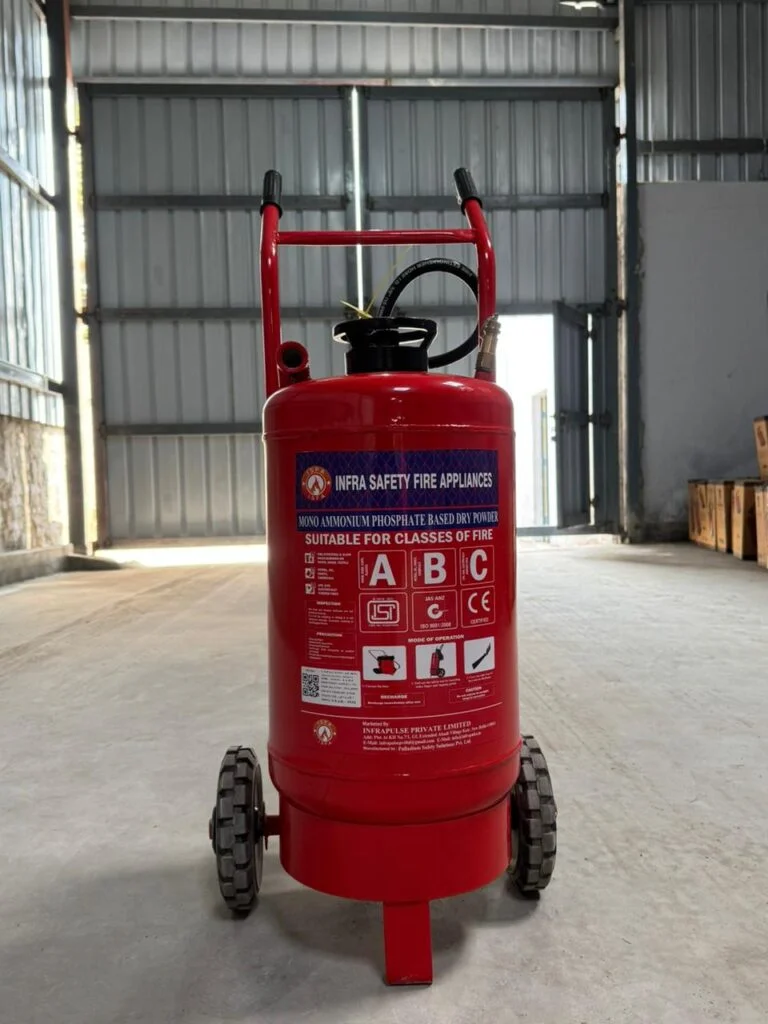
Learn more about our Fire fighting instalation on our website
A reliable fire safety setup always starts with a proper alarm system. You can also explore our Fire Alarm System Installation Services to ensure early fire detection and quick response in your building.