- Plot At KH No.7/1, GF, Extended Abadi Village Kair, New Delhi-110043
- +91-7840001707
- Everyday 24 Hours


Fire Safety Appliances and Services play a crucial role in protecting lives and property from unexpected fire hazards. Fire accidents can occur anytime—whether in homes, offices, or industrial spaces—and without proper safety systems, the damage can be devastating. By installing the right fire safety equipment and ensuring regular maintenance, you can significantly reduce risks and ensure a safer environment.
Fire accidents can occur anytime and anywhere—whether in homes, offices, factories, or commercial buildings. The consequences of fire can be devastating, leading to loss of life, property damage, and financial setbacks. However, with the right fire safety appliances and professional services in place, these risks can be significantly minimized. Investing in proper fire protection is not just a precaution—it’s a necessity.
Let’s explore the 10 essential fire safety appliances and services that play a crucial role in protecting lives and property.
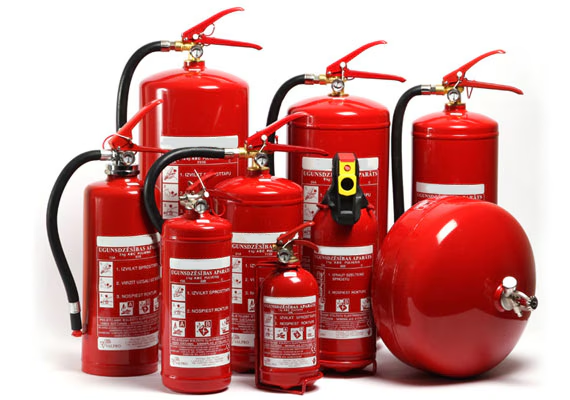
Fire extinguishers are the first line of defense against small fires. Available in different types such as CO2, foam, and dry powder, they are designed to tackle specific fire classes. Every home and workplace should have easily accessible and properly maintained extinguishers.
Fire alarm systems are critical for early detection. They use smoke or heat sensors to detect fire and alert occupants instantly. Early warnings can prevent panic and allow safe evacuation.
Automatic fire sprinkler systems activate when a fire is detected, releasing water to control or extinguish the flames. They are highly effective in reducing fire spread, especially in large buildings.
Fire hydrant systems provide a reliable water source for firefighters. Installed in commercial and industrial areas, they ensure quick and efficient fire-fighting operations during emergencies.
Fire suppression systems are ideal for sensitive environments like server rooms, kitchens, and data centers. Instead of water, they use gas or chemical agents to extinguish fire without damaging equipment.
Smoke detectors are small yet powerful devices that detect smoke at an early stage. They are essential for homes and offices, providing immediate alerts even before flames become visible.
During a fire emergency, visibility can be severely affected due to smoke or power failure. Emergency lighting and exit signs guide people safely toward exits, preventing chaos and confusion.
A fire safety audit is a professional evaluation of your building’s fire risks and safety measures. It helps identify gaps and ensures compliance with safety standards and regulations.
Even the best equipment is ineffective if people don’t know how to use it. Fire safety training educates employees and residents on handling fire emergencies, using extinguishers, and following evacuation procedures.
Regular maintenance ensures that all fire safety systems function properly during emergencies. Faulty or expired equipment can fail when needed the most, making periodic inspection crucial.
While installing fire safety appliances is important, professional services ensure they work efficiently at all times. From proper installation to regular maintenance and audits, these services provide complete fire protection. They also help businesses comply with legal requirements and safety regulations.
Fire safety is not something to be taken lightly. The right combination of fire safety appliances and services can make the difference between a minor incident and a major disaster. By investing in these essential systems, you not only protect your property but also safeguard lives. Whether it’s a residential building, office, or industrial facility, prioritizing fire safety is a responsibility that everyone must take seriously.
Q1. Which fire safety equipment is most important?
Fire extinguishers and smoke detectors are the most basic and essential equipment for any space.
Q2. How often should fire safety systems be checked?
Fire safety systems should be inspected at least once every 6–12 months, depending on usage and regulations.
Q3. Are fire sprinkler systems necessary for small buildings?
While not always mandatory, sprinkler systems are highly recommended for enhanced safety.
Q4. What is included in a fire safety audit?
A fire safety audit includes risk assessment, inspection of equipment, and recommendations for improving safety measures.
Q5. Can fire safety training really make a difference?
Yes, trained individuals can respond quickly and effectively, reducing damage and saving lives during emergencies.
fire safety services in Delhi NCR, check our expert solutions…”