- Plot At KH No.7/1, GF, Extended Abadi Village Kair, New Delhi-110043
- +91-7840001707
- Everyday 24 Hours


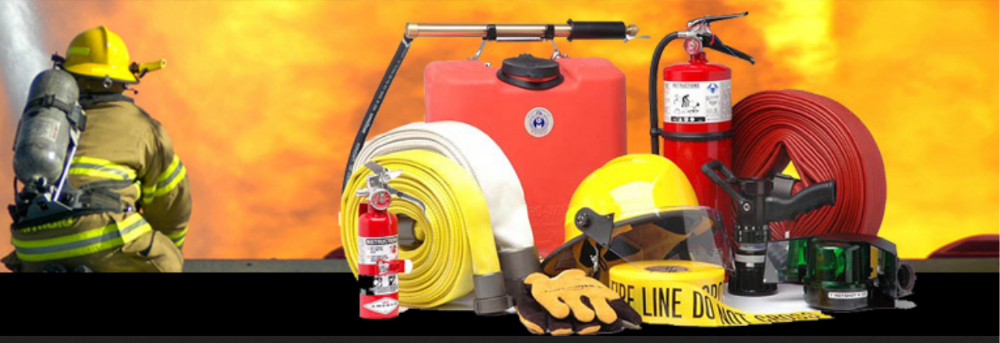
A restaurant fire suppression system is one of the most essential components of any building’s fire protection plan.
A restaurant fire suppression system is one of the most essential components of any building’s fire protection plan. Whether you own a restaurant, office, warehouse, or industrial site, choosing the right fire protection system can save lives and property. Fires can happen anywhere, and having a proper fire detection and suppression system ensures quick response, safety compliance, and long-term peace of mind.Restaurant fire suppression system is essential for every building. Discover 5 powerful ways to choose the right fire protection system, from sprinkler installation to detection and suppression for complete safety.
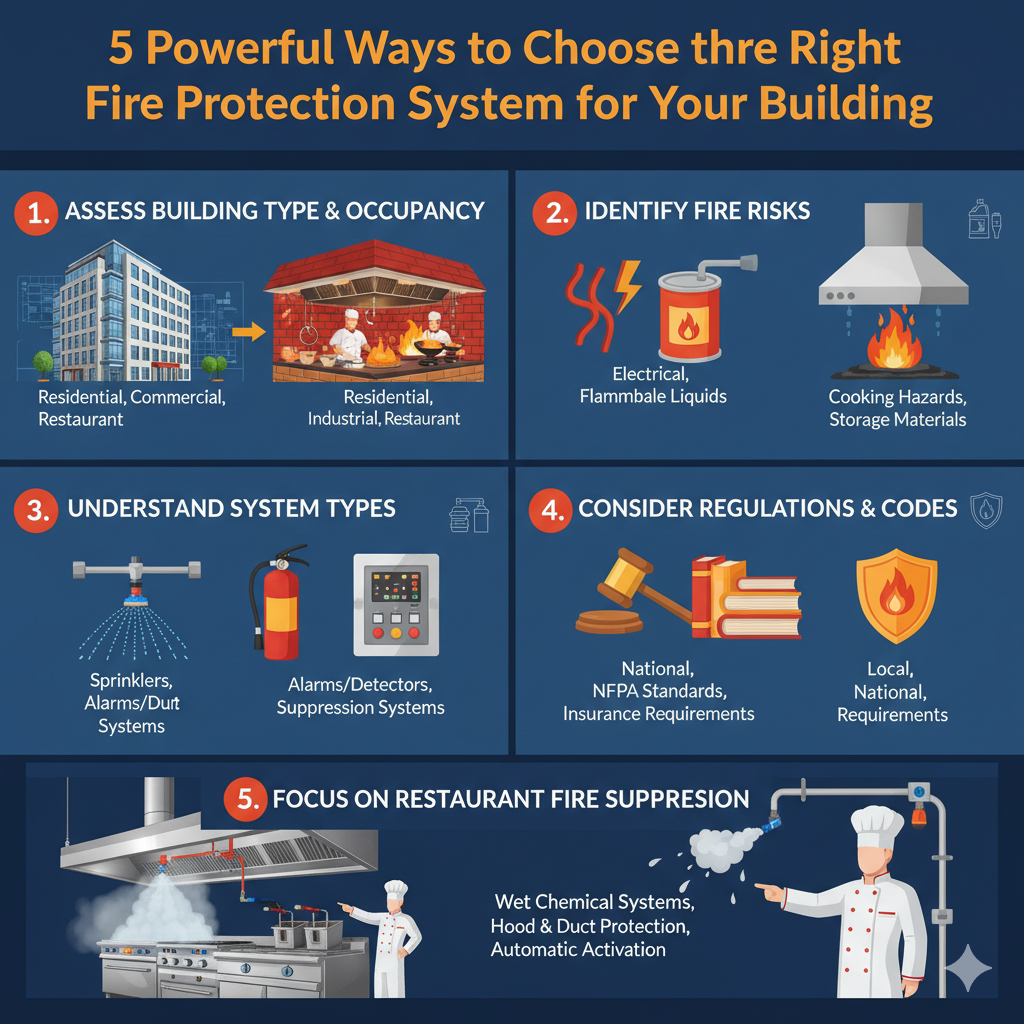
The first and most important step in fire safety planning is to analyze your building’s fire risk. Every space is different — a kitchen fire behaves differently from an electrical or chemical fire.
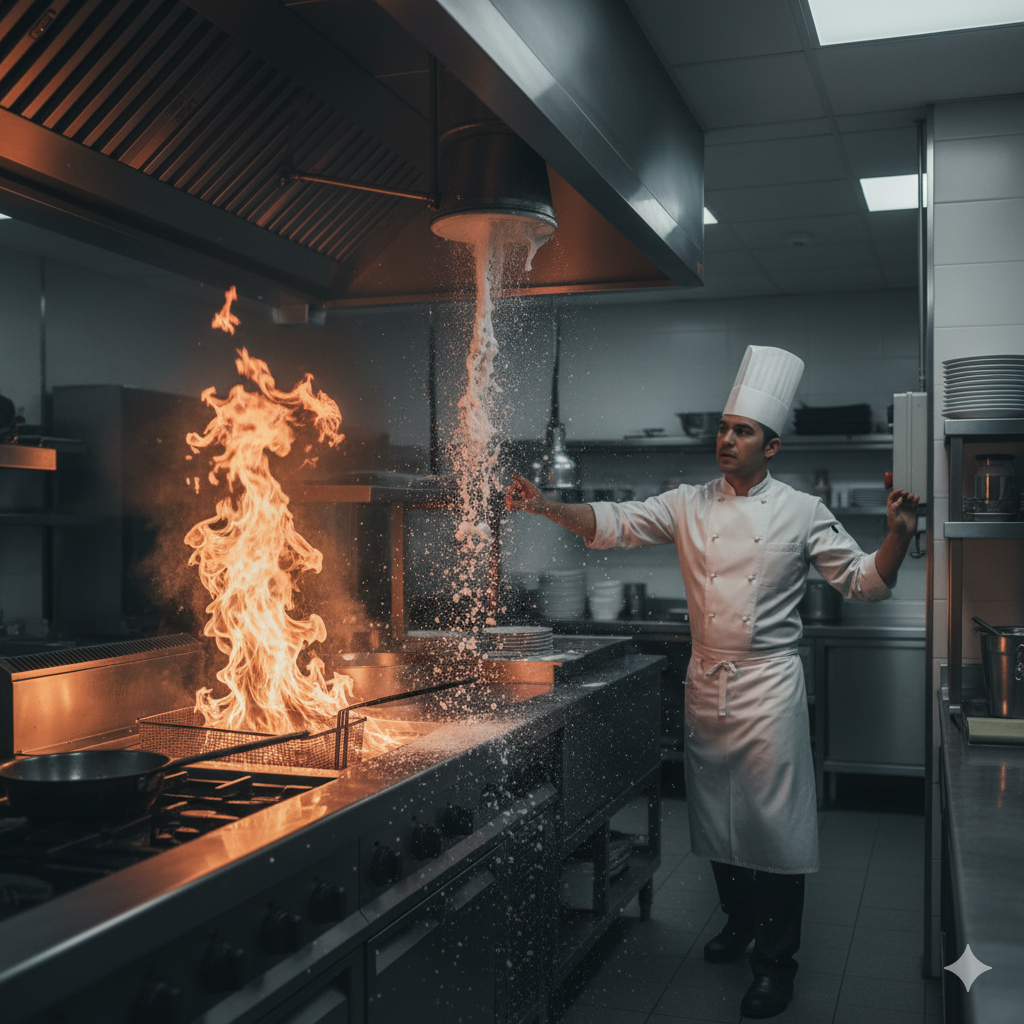
For example, a restaurant fire suppression system is essential in food establishments because of constant exposure to grease, oil, flames, and high heat. These systems are specifically designed to automatically release extinguishing agents when a fire is detected above cooking appliances, cutting off oxygen and preventing re-ignition.
In contrast, office buildings or residential apartments may benefit more from fire sprinkler system installation combined with smoke detectors, while factories and warehouses might need industrial fire suppression systems to handle machinery-related or chemical fires. Understanding your risk profile helps you choose the right technology and ensures your investment offers the best protection.
There isn’t a one-size-fits-all fire protection system — each building requires a customized approach. Let’s look at the major types of systems used today:
a. Fire Sprinkler Systems:
These systems automatically detect and control fires using water. They’re reliable, cost-effective, and suitable for commercial spaces, offices, schools, and residential complexes. Wet pipe sprinklers are common in heated buildings, while dry pipe systems are ideal for cold or unheated spaces.
b. Fire Alarm and Detection Systems:
Early detection is the key to saving lives. Smoke and heat detectors integrated with alarms provide instant warnings, allowing people to evacuate safely. These systems are often paired with sprinklers for full coverage.
c. Gas and CO₂ Suppression Systems:
CO₂ and clean agent systems are perfect for sensitive environments such as data centers, control rooms, and electrical panels, where water could cause severe equipment damage. These systems release gas that removes oxygen or heat, extinguishing the fire safely.
d. Restaurant Fire Suppression Systems:
A restaurant fire suppression system is a must-have for all commercial kitchens. It uses wet chemicals to smother flames caused by oils or fats and cools the equipment instantly. These systems automatically shut down the fuel or power source when activated, preventing further hazards.
e. Foam and Powder Systems:
Used in industrial zones or chemical storage facilities, foam-based systems form a protective layer over flammable liquids, while powder systems work well in places with mixed fire risks.
By understanding these types, you can select a combination that fits your building’s layout and risk profile perfectly.
Fire safety isn’t just about installing equipment — it’s also about compliance. Every building must meet national and local fire safety codes. The National Building Code (NBC) and National Fire Protection Association (NFPA) set strict standards for fire detection and suppression systems to ensure maximum safety and functionality.
Before installation, ensure your fire protection system is designed by certified engineers and approved by local fire authorities. Compliance guarantees that your equipment functions correctly during emergencies and also helps avoid penalties, insurance claim rejections, and legal issues.
Selecting a trusted fire safety partner ensures that your building is properly protected. Companies like Infrapulse Fire Safety Solutions specialize in:
A professional provider will inspect your property, identify fire risks, design a customized solution, and install high-quality equipment. This end-to-end service ensures long-term reliability and 24/7 protection.
Even the most advanced fire suppression systems need regular maintenance to stay effective. Neglecting routine inspections can lead to system failures during emergencies. Schedule professional servicing at least twice a year to check for:
Consistent maintenance not only extends your system’s lifespan but also guarantees compliance with fire safety standards.
Choosing the right fire protection system for your building requires careful planning and expert guidance. Whether it’s a restaurant fire suppression system, CO₂ fire suppression system, or fire sprinkler system installation, investing in quality equipment and professional installation ensures complete safety.
At Infrapulse Fire Safety Solutions, we help businesses and property owners design, install, and maintain reliable fire detection and suppression systems that protect lives and property — every second of the day.